Super Absorbent Polymer Manufacture
Why Choose SOCO
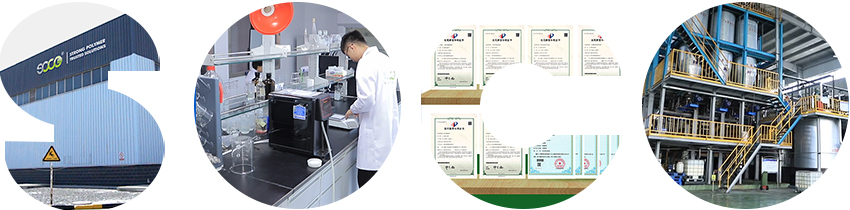
Founded in 2009, Big SAP manufacturer.
Own R&D lab & Planting Lab.
We have served the clients 100+ countries & regions.
We have developed many distributors worldwide.
With global warehousing & fast shipment system.
Over 30+ international certificates(SGS、ISO、IATA).
Safety, non-toxic, degradable, non-heavy metal, food grade material.
Independent research lab for salt & alkali resistance research & fast water absorption projects.
.jpg)

Comments
Post a Comment